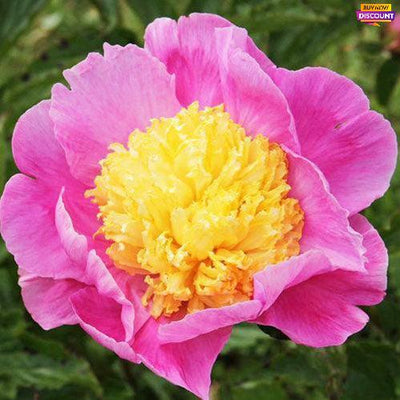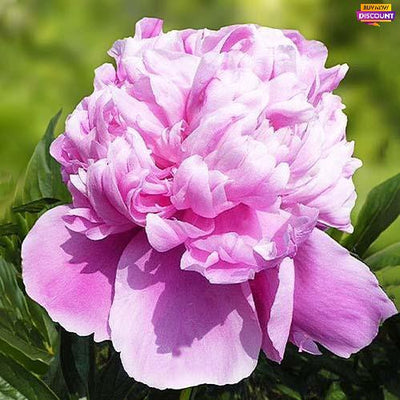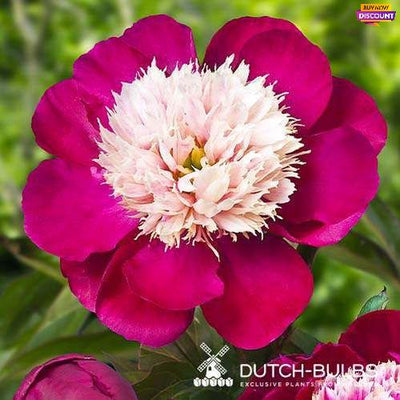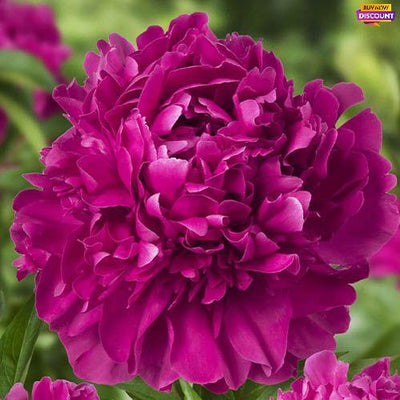
May often brings the excitement of the first peony blooms, but it can also introduce unexpected heatwaves. For gardeners, May heatwave and peonies can become a serious challenge. These beloved perennials thrive in cool spring conditions, and sudden high temperatures can disrupt their natural rhythm. When heat arrives too early, buds may open too quickly, petals fade within days, and leaves show signs of stress.
During May heatwave and peonies, flowers that would normally last a week may wilt in just two or three days. The intense sun can scorch delicate petals, while warm soil temperatures stress the roots. Without proper care, plants may struggle to maintain overall plant health, which can also impact future blooms.
Heat stress doesn't just affect flowers — it also weakens foliage and root systems. When May heatwave and peonies occur simultaneously, plants must redirect energy toward survival instead of flowering. This can shorten bloom time and reduce the quality of the spectacular bloom gardeners eagerly anticipate.
Fortunately, there are effective strategies for protecting peonies from heat. With proper watering, shading, and soil protection, you can reduce stress and help plants withstand sudden temperature spikes. By taking proactive steps, you can also focus on extending peony bloom time and maintaining strong, healthy rhizomes. For foundational care tips, our peony care guide provides additional guidance for maintaining strong plants throughout the growing season.
Hydration and Soil Protection Strategies
When temperatures rise rapidly, water management becomes the most critical factor. May heatwave and peonies require careful hydration and soil protection to prevent stress. Proper watering and mulching can significantly improve plant resilience and help maintain overall plant health.
Smart Watering to Prevent Peony Wilting
During May heatwave and peonies, watering techniques must change. Instead of frequent shallow watering, deep and less frequent watering is far more effective. Deep watering encourages roots to grow downward, helping plants access cooler soil layers.
Shallow watering, on the other hand, can lead to preventing peony wilting failures. Water evaporates quickly from the surface, leaving roots dry and stressed. This can lead to drooping stems and reduced bloom quality.
Early morning watering is ideal. At this time, soil absorbs moisture efficiently before temperatures rise. Evening watering is also acceptable, but avoid wetting leaves overnight to reduce disease risk. During May heatwave and peonies, it's particularly important to avoid splashing water on foliage. Water droplets can magnify sunlight and cause sun-scalded peony leaves.
Consistent hydration also protects healthy rhizomes. When soil temperatures rise, roots become vulnerable to overheating. Deep watering helps stabilize soil temperature and reduces stress. Proper watering also supports extending peony bloom time. Hydrated plants maintain firm petals and strong stems, allowing flowers to last longer even during hot conditions.

Mulching as a Temperature Regulator
Mulching plays a crucial role during May heatwave and peonies. A layer of organic mulch acts like insulation, keeping soil cool and reducing moisture evaporation. This simple step can significantly improve overall plant health during extreme heat.
Organic mulch options include:
- Bark chips
- Straw
- Compost
- Shredded leaves
These materials protect roots from temperature fluctuations and help retain moisture. During May heatwave and peonies, mulch can lower soil temperature by several degrees. Mulching also supports extending peony bloom time. Cooler soil encourages steady growth and reduces stress on developing flowers. As a result, blooms remain vibrant longer.
However, mulch should not be placed directly against stems. Leave a small gap around the plant base to prevent moisture buildup. This technique improves airflow and reduces disease risk.
Our “Mulch Guide: 5 Materials You Must NOT Use for Peonies in Winter” provides helpful information that can also be adapted for summer mulching strategies. Proper mulching combined with smart watering creates a strong defense against May heatwave and peonies, helping plants maintain spectacular bloom quality.
Shielding and Sun Management for Long-Lasting Blooms
Sun exposure is another major factor affecting May heatwave and peonies. Direct midday sunlight can quickly fade petals and damage leaves. Implementing shading strategies can significantly improve bloom longevity.
Temporary Shading and Physical Protection
When temperatures climb, temporary shading can make a noticeable difference. During May heatwave and peonies, even slight shade can reduce plant stress.
Lightweight materials like agrofibre, garden umbrellas, or shade cloth work well. These temporary structures reduce direct sunlight while still allowing airflow. This helps protecting peonies from heat and prevents rapid fading.
Delicate pastel varieties benefit most from shading. These flowers are especially vulnerable to heat and may wilt quickly. Providing shade helps maintain spectacular bloom quality and color intensity.
Position shading structures during the hottest part of the day, usually between noon and late afternoon. This simple adjustment can significantly improve extending peony bloom time. Our article “Delicate Touch: Protecting Peony Foliage from Spring Sunburn” offers additional insights into protecting plants from sun stress.
Dealing with Sun-Scalded Peony Leaves and Spent Flowers
Recognizing sun-scalded peony leaves is important. Heat damage appears as dry brown edges or pale patches on foliage. Unlike disease, sun damage usually appears on exposed areas only.
During May heatwave and peonies, removing damaged leaves is not always necessary unless severe. However, removing spent blooms — also known as deadheading — is highly beneficial.
Deadheading prevents plants from using energy to produce seeds during stressful conditions. Instead, energy is redirected toward root development and overall plant health. Removing faded flowers also improves airflow and reduces heat buildup. This practice supports extending peony bloom time and helps maintain strong plants.
The guide to deadheading peonies explains proper techniques for removing spent flowers effectively. Proper sun management is essential for minimizing stress during May heatwave and peonies and preserving spectacular bloom quality.
Recovery and Maintenance After the Heat
Once temperatures return to normal, peonies need time to recover. May heatwave and peonies can leave plants stressed, making post-heat care essential.
Supporting Overall Plant Health After Stress
After a heatwave, inspect plants carefully. Look for signs of dehydration, pests, or leaf damage. Spider mites, in particular, thrive in hot conditions and can weaken plants further. Light fertilization can support recovery. Balanced nutrients help restore healthy rhizomes and encourage new growth. Avoid heavy feeding immediately after heat stress, as this may overwhelm plants.
Monitoring moisture levels is also important. Continue deep watering while avoiding overwatering. Consistent care promotes overall plant health and prepares plants for future flowering. By supporting recovery after May heatwave and peonies, gardeners help plants regain strength and prepare for next season’s spectacular bloom.

Conclusion: Winning the Battle Against the Sun
May heatwave and peonies can challenge even experienced gardeners. Sudden heat shortens bloom time, scorches leaves, and stresses plants. However, with the right strategies, you can successfully protect your garden.
Deep watering, mulching, and temporary shading all help protecting peonies from heat. These simple steps improve overall plant health and help preserve delicate blooms. Your attention during May heatwave and peonies will reward you with longer-lasting flowers and stronger plants. By focusing on prevention and recovery, you ensure healthy rhizomes and future success.
Remember, the care you provide today leads to a stunning spectacular bloom next season. Explore all peony bulbs and roots collections, presented in our online store, and expand your garden to enjoy even more breathtaking blooms!
FAQ: How to Save Peonies During an Abnormal May Heatwave
Can I spray peony leaves with water to cool them down?
Spraying peony foliage during extreme heat may seem helpful, but doing so under direct sunlight can actually cause damage. Water droplets act like magnifying lenses and may lead to sun-scalded peony leaves. If you want to cool your plants, only spray lightly in the late evening when temperatures drop.
How can I tell if peonies are wilting from heat rather than disease?
Heat stress usually causes temporary wilting. If preventing peony wilting measures such as deep evening watering help the plant recover overnight, heat is likely the cause. However, if the plant remains limp and weak the next morning, this may signal problems with healthy rhizomes or root damage. Persistent wilting often indicates deeper stress that requires closer inspection of soil moisture, drainage, and root health.
Should I cut all flowers if extreme heat begins?
Yes, cutting partially opened blooms is often a smart strategy during May heatwave and peonies. Moving flowers indoors allows them to continue opening in cooler conditions and ensures a longer spectacular bloom in a vase. This also reduces stress on the plant and helps preserve overall plant health during extreme temperatures.
How can I extend peony bloom time in full sun?
Extending peony bloom time in open sunny locations requires temporary shade. Use shade cloth, garden umbrellas, or lightweight covers during peak heat hours between 12:00 and 16:00. Even partial shading can significantly slow petal fading and protect flowers from rapid wilting.
Should I fertilize peonies during a May heatwave?
Avoid fertilizing during peak heat, especially when soil is dry. Applying fertilizer during May heatwave and peonies can burn roots and worsen stress. For overall plant health, fertilize only after deep watering and when temperatures become more moderate.