
Featured collection
-
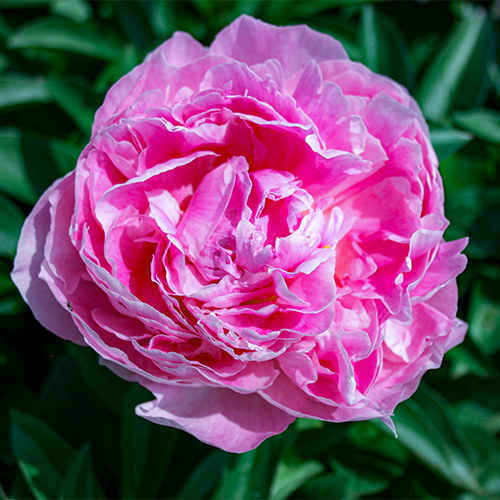
Peony Mme Jules Dessert
Regular price €10,76 EURRegular priceUnit price per€11,95 EURSale price €10,76 EUR -
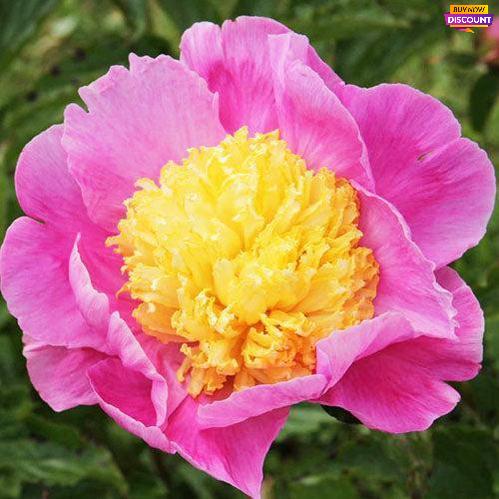
Peony Mr. G.F. Hemerik
Regular price €11,66 EURRegular priceUnit price per€12,95 EURSale price €11,66 EUR -
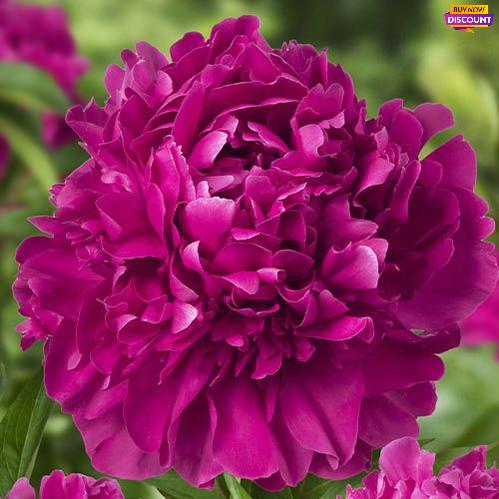
Peony Paul M. Wild
Regular price €13,46 EURRegular priceUnit price per€14,95 EURSale price €13,46 EUR -
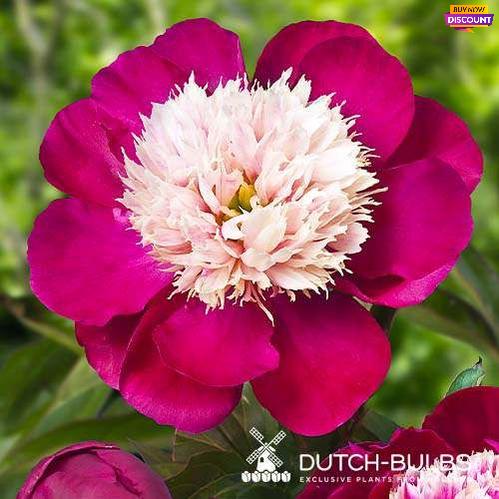
Peony White Cap
Regular price €19,76 EURRegular priceUnit price per€21,95 EURSale price €19,76 EUR
News from the peony world

Should You Soak Peony Roots Before Planting? Wh...
After several days in transit, a newly delivered peony division may look less than impressive. The roots can appear dull, slightly wrinkled, or drier than expected, especially when they have...

Your Bare-Root Peony Just Arrived: Plant Immedi...
Autumn is the peak season for shipping many garden perennials, and receiving a long-awaited peony variety can be exciting. However, the delivery date does not always coincide with the perfect...

Can a Piece of Peony Root Without Buds Produce ...
During autumn peony division or transplanting, gardeners sometimes break off thick, fleshy pieces of root that appear to have no visible renewal buds. These pieces are often called “blind roots,”...

Cut Back to Ground vs. Leave Alone — A Guide to...
Early September often creates an awkward moment for peony growers. The flowers are long gone, summer heat may have left the leaves looking tired, and many gardeners are ready to...

The White Root Phenomenon: The Underground Biol...
September is a special month for peony growers. While the visible part of the garden is slowly preparing for dormancy, one of the most important biological processes of the entire...

Harvesting and Immediate Sowing of Tree Peony S...
Growing tree peonies from your own seed is one of the most rewarding projects a gardener can undertake. Unlike division, which produces a genetic copy of the parent plant, seedlings...