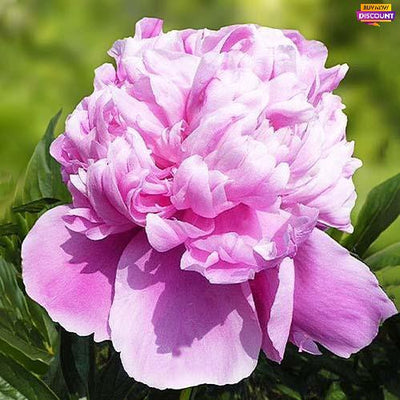
Spring is the most delicate and decisive season in the peony’s yearly cycle. When peonies start sprouting, gardeners often feel excitement — but this is also when unintended mistakes can cause lasting damage. Those first pink or red tips pushing through the soil mark the beginning of early spring peony growth, a stage that determines overall plant health and the potential for a spectacular bloom later in the season.
Because peonies are long-lived perennials, how you respond when peonies start sprouting has consequences far beyond a single spring. Mishandling young shoots, overwatering, or fertilizing incorrectly can weaken stems or reduce flowering. Understanding what to avoid is just as important as knowing what to do. For a deeper look at how those first shoots reflect underground vitality, check out our article “Spring Awakening: How the First Shoots Signal Rhizome Health”. With thoughtful care, you can guide early spring peony growth toward strong, resilient development and abundant flowering.
Mistake #1: Being Too Aggressive During Spring Garden Maintenance
One of the most common spring peony mistakes happens during routine cleanup. When peonies start sprouting, their emerging shoots are surprisingly fragile. The peony eyes emergence stage produces tender growth that can easily snap under the pressure of a rake, hoe, or even a misplaced step. Many gardeners unintentionally damage plants while clearing debris, unaware that delicate buds are just below or slightly above the soil surface.
Mechanical injury at this stage often means losing an entire flowering stem. Because each visible shoot typically carries a developing bloom, breaking it reduces the number of flowers you’ll enjoy later. During early spring peony growth, tools should be used cautiously and at a distance from the crown. Avoid digging, cultivating, or aggressively loosening soil directly over the planting site. Even shallow scraping can shear off newly forming stems before they fully emerge.
Soil compaction presents another hidden risk. When peonies start sprouting, the ground is often still moist from melting snow or seasonal rain. Walking repeatedly around the base of the plant compresses wet soil, limiting oxygen flow to the roots. Compacted soil restricts nutrient uptake and can interfere with vigorous growth, ultimately affecting overall plant health and bloom production.
The safest approach during spring garden maintenance is gentle, manual cleanup. Remove old leaves and debris by hand rather than with heavy tools. Work slowly and deliberately, watching for signs of peony eyes emergence. By giving early spring peony growth the space it needs, you preserve structural integrity and set the stage for a spectacular bloom in the months ahead.

Mistake #2: Improper Watering and Drainage Management
Water management becomes especially important when peonies start sprouting. Spring often provides sufficient natural moisture, yet many gardeners add supplemental watering too soon. Excessive moisture around new peony growth can create stagnant conditions that encourage fungal development and root rot. Peonies prefer evenly moist but well-drained soil — never soggy ground.
Standing water is particularly dangerous. If puddles form near the crown after heavy rain, roots may become deprived of oxygen. Over time, this weakens early spring peony growth and compromises overall plant health. Symptoms such as limp shoots or discolored stems can appear quickly in poorly drained conditions. Ensuring that excess water drains away from the root zone supports vigorous growth and reduces disease pressure.
In most climates, additional watering is only necessary if spring is unusually dry. Before irrigating, check soil moisture a few inches below the surface. If it still feels damp, wait. Overwatering when peonies start sprouting is one of the easiest spring peony mistakes to avoid.
Drainage quality begins with proper site selection. If you’re unsure whether your planting area is ideal, review the principles outlined in our peony planting site preparation guide. Good drainage is foundational not only during early spring peony growth but throughout the plant’s life cycle, ensuring strength, resilience, and reliable flowering year after year.
Mistake #3: Early Fertilizing with High-Nitrogen Products
Feeding too early — or with the wrong formula — is another frequent error when peonies start sprouting. The sight of emerging shoots often tempts gardeners to apply fertilizer immediately, hoping to boost growth. However, high-nitrogen products at this stage can cause more harm than benefit. Excess nitrogen promotes rapid, soft leaf development that is highly susceptible to fungal diseases such as Botrytis.
When early spring peony growth becomes overly lush and tender, stems may weaken and flop later in the season. Instead of supporting vigorous growth, excessive nitrogen creates imbalance. The plant channels energy into foliage at the expense of sturdy stems and flower buds, potentially diminishing the spectacular bloom you anticipated.
Timing matters. Wait until shoots are several inches tall and actively expanding before applying a balanced fertilizer. At that point, nutrients can be absorbed efficiently and contribute to overall plant health without overstimulating delicate tissues. Formulas containing moderate phosphorus and potassium levels are generally more supportive during this period.
If you’re unsure about proper nutrient timing and ratios, consult our peony spring fertilizer guide for detailed recommendations. Thoughtful feeding practices ensure that when peonies start sprouting, they develop strength and resilience rather than vulnerability. Balanced nutrition at the right moment lays the groundwork for abundant blossoms and a thriving plant throughout the growing season.
Mistake #4: Neglecting Frost Protection for Tender Shoots
Although peonies are famously cold-hardy, gardeners sometimes forget that resilience applies primarily to established roots — not delicate spring growth. When peonies start sprouting, those soft pink or red shoots are vulnerable to sudden temperature drops. Late frosts can blacken or scorch tender tissue overnight, damaging early spring peony growth just as it begins accelerating.
Young shoots contain high water content, making them susceptible to freezing injury. A hard frost may cause protecting young peony shoots to become essential, especially if temperatures fall well below freezing after several mild days. Damaged shoots often appear wilted, translucent, or darkened at the tips. While the plant may recover by sending up secondary buds, bloom count can be reduced, affecting the potential for a spectacular bloom.
One common mistake is re-covering emerging stems with thick mulch. When peonies start sprouting, placing heavy organic material directly over shoots traps moisture and reduces air circulation. This increases the risk of rot and fungal infection. Mulch should remain pulled back from the crown once growth is visible.
A safer solution for protecting young peony shoots involves temporary coverings such as frost cloth, breathable garden fabric, or even overturned buckets during overnight cold snaps. Remove covers promptly in the morning to allow light and airflow. Monitoring weather forecasts during early spring peony growth helps you act proactively rather than reactively.
By preparing for unpredictable temperature swings, you safeguard overall plant health and maintain strong momentum toward vigorous growth. Thoughtful frost protection ensures that when peonies start sprouting, they continue developing steadily without unnecessary setbacks.
Mistake #5: Ignoring Early Signs of Fungal Diseases
Fungal diseases often establish themselves quietly during damp spring weather. When peonies start sprouting, close observation becomes critical. One of the most common threats during early spring peony growth is Botrytis, also known as gray mold. Initial symptoms may include brown or blackened spots on young stems, wilting tips, or a fuzzy gray coating in humid conditions.
Failing to remove old plant debris is a frequent spring peony mistake. Spores can overwinter in fallen leaves and stems, waiting for moist conditions to reactivate. As soon as peonies start sprouting, clear away any remaining organic matter from the previous season. This simple act of spring garden maintenance significantly reduces disease pressure and protects overall plant health.
Air circulation is equally important. Crowded plantings restrict airflow around peony eyes emergence, creating a microclimate where moisture lingers. Space between stems allows leaves to dry quickly after rain, limiting fungal development. Avoid overhead watering during this period, as prolonged leaf wetness increases vulnerability.
Early intervention prevents escalation. If you notice suspicious discoloration or soft patches, remove affected growth immediately and dispose of it away from the garden. Acting quickly preserves vigorous growth and prevents the spread of infection to healthy stems. Attentive monitoring when peonies start sprouting ensures minor issues never evolve into major problems.

Conclusion: Set the Stage for a Spectacular Bloom
Avoiding these common spring peony mistakes makes an extraordinary difference in plant performance. When peonies start sprouting, your choices directly influence vigorous growth, structural strength, and overall plant health. Gentle maintenance, careful watering, balanced feeding, frost awareness, and disease monitoring all work together to support long-term success.
Attentive care during early spring peony growth lays the groundwork for the spectacular bloom gardeners anticipate each year. Take time this week to inspect your plants, clear debris, and ensure a clean, well-drained, and protected environment. Your thoughtful actions now will be rewarded with lush foliage and magnificent flowers. For more inspiration and exceptional varieties to enhance your garden, explore all peony collections presented in our online store and continue building a landscape filled with enduring beauty.
FAQs About Early Spring Peony Growth
What should I do if I accidentally broke a pink shoot when peonies start sprouting?
If a shoot snaps during peony eyes emergence, there is little that can be done to repair it. Remove the damaged stem cleanly at the base to prevent decay. The plant will redirect energy to remaining shoots. While you may lose one bloom, overall plant health should remain unaffected if other stems are intact.
Is it okay to transplant a peony when I see early spring peony growth?
Transplanting during early spring peony growth is not recommended. When peonies start sprouting, roots are actively supporting new development, and disturbance can cause stress or reduced flowering. Early fall is a better time for relocation, allowing the plant to establish before winter dormancy.
Why are my peony shoots coming up dark red or purple?
Dark red or purple coloration during peony eyes emergence is normal for many varieties. The pigmentation protects tender shoots from sun and temperature fluctuations. As early spring peony growth progresses, stems typically turn green. Color alone is not a sign of disease or poor overall plant health.
How can I tell if protecting young peony shoots from frost is necessary tonight?
Check local forecasts for temperatures below 32°F (0°C), especially after several warm days. If peonies start sprouting and shoots are several inches tall, temporary frost protection is wise. Cover plants in the evening and uncover them in the morning to maintain airflow and light exposure.
When is the best time to mulch after peonies start sprouting?
Once the soil has warmed and shoots are several inches tall, apply a light mulch layer around — but not over — the crown. Keep mulch a few inches away from stems to avoid rot. Proper timing supports moisture balance without interfering with early spring peony growth.